


Infill Custom Home Builder in Chattanooga: Highland Park, Lincoln Park and Close In Neighborhoods
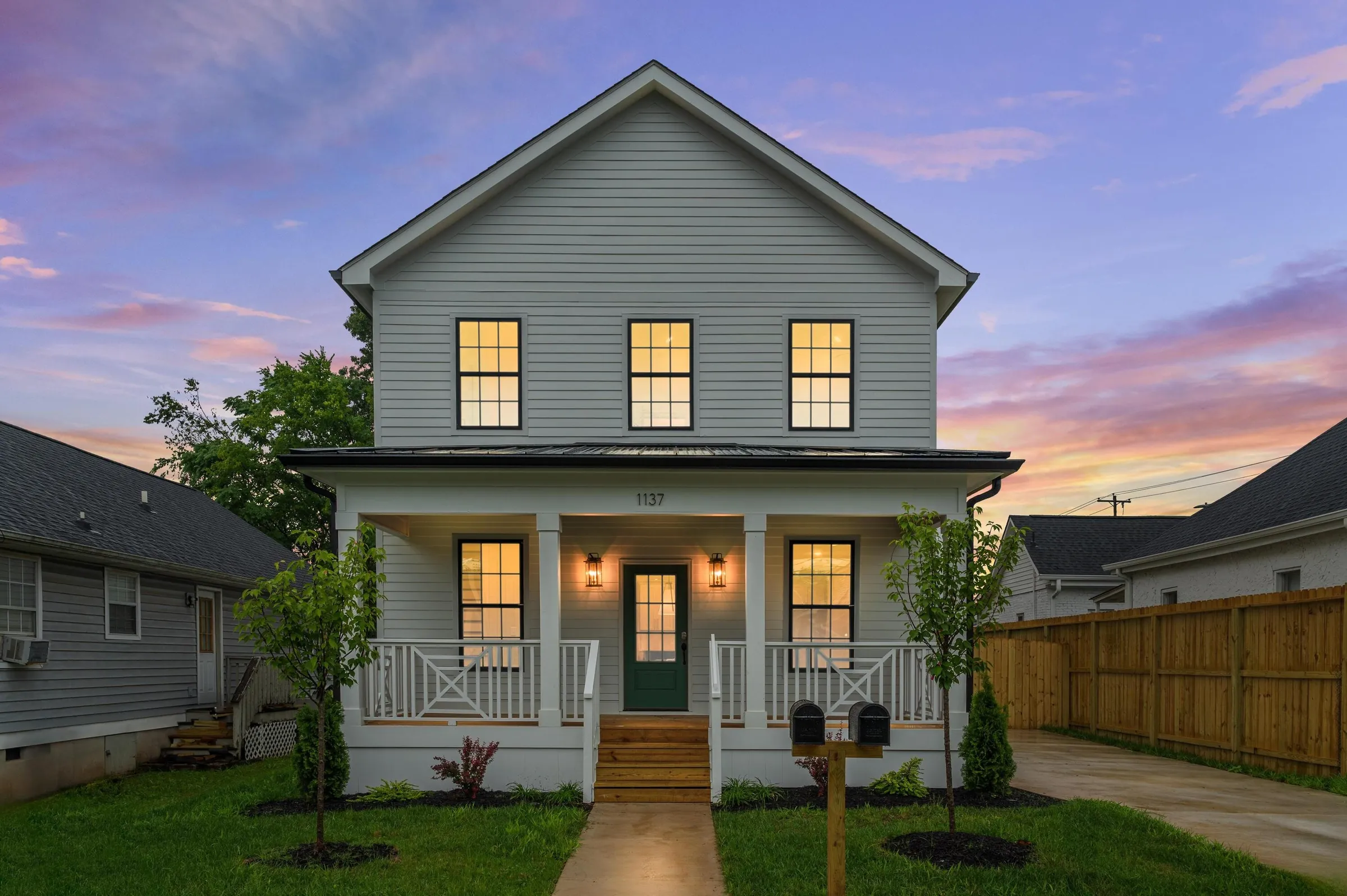
Lincoln Park, Chattanooga
Chattanooga’s older neighborhoods close to downtown have things a new subdivision can’t copy: mature trees, sidewalks, front porches and a short drive to work, school and the riverfront. Building a new home on an empty or underused lot in one of them is called infill, and it takes more planning than a house on a big, flat suburban lot.
EPG Homes, LLC is a family owned custom home builder in Chattanooga. Evan Greene is a fourth generation builder, and since 2013 EPG has finished more than 300 projects around the city, including new homes on narrow lots close to downtown.
Call or text Evan’s team at 423-646-7540 to talk through a lot.
What an Infill Lot Asks For
Most infill lots are narrow, with houses close on both sides and older trees, walls or alleys to work around. Before a client commits, Evan’s team walks the lot to look at width and setbacks, slope and drainage, driveway or alley access and the homes next door.
Utilities need a close look too. Older blocks can have aging water and sewer lines, and a new home usually needs its own taps and service lines sized for today’s house. If an old house or garage is still on the lot, demolition and its permit come first, along with a plan for protecting the neighbors’ property during the work.
Neighbors matter on an infill block. Deliveries, parking and noise all happen a few feet from someone’s front porch, so EPG plans the site and the schedule with the people next door in mind.
Zoning and Lot Rules Close to Downtown
Chattanooga adopted a new zoning ordinance in 2024, and it took effect that December. Each residential zone sets its own minimum lot width, setbacks and height, and some older neighborhoods have lots that are narrower than today’s rules expect. Those lots can still be buildable, but the rules for that specific parcel need to be confirmed before a design is final.
Many close in lots can also hold an accessory dwelling unit. The city allows one ADU with a single family home in most residential zones, up to 800 square feet.
A few close in neighborhoods, like Fort Wood and Ferger Place, are local historic districts, so new homes there go to the Chattanooga Historic Zoning Commission for design review. Land nearer downtown, including much of the Southside, falls under the Downtown Form Based Code instead. The Southside page explains how that review works.
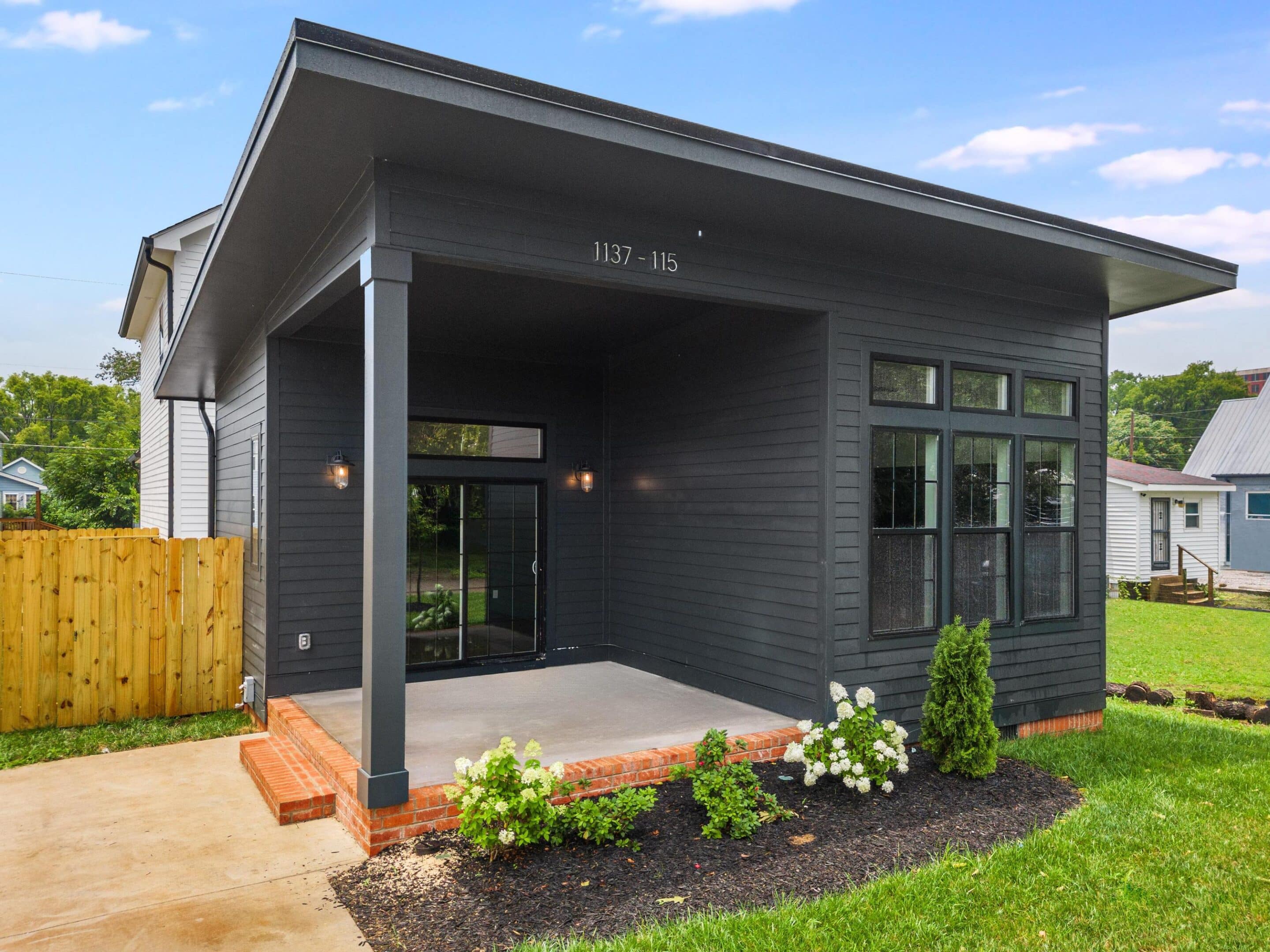
Backyard ADU built by EPG Homes, Chattanooga
Designed to Fit the Street
A new home on an older block should look like it belongs. That usually means a front porch, rooflines and proportions that match the houses around it, and windows and materials that feel right next to a hundred year old bungalow.
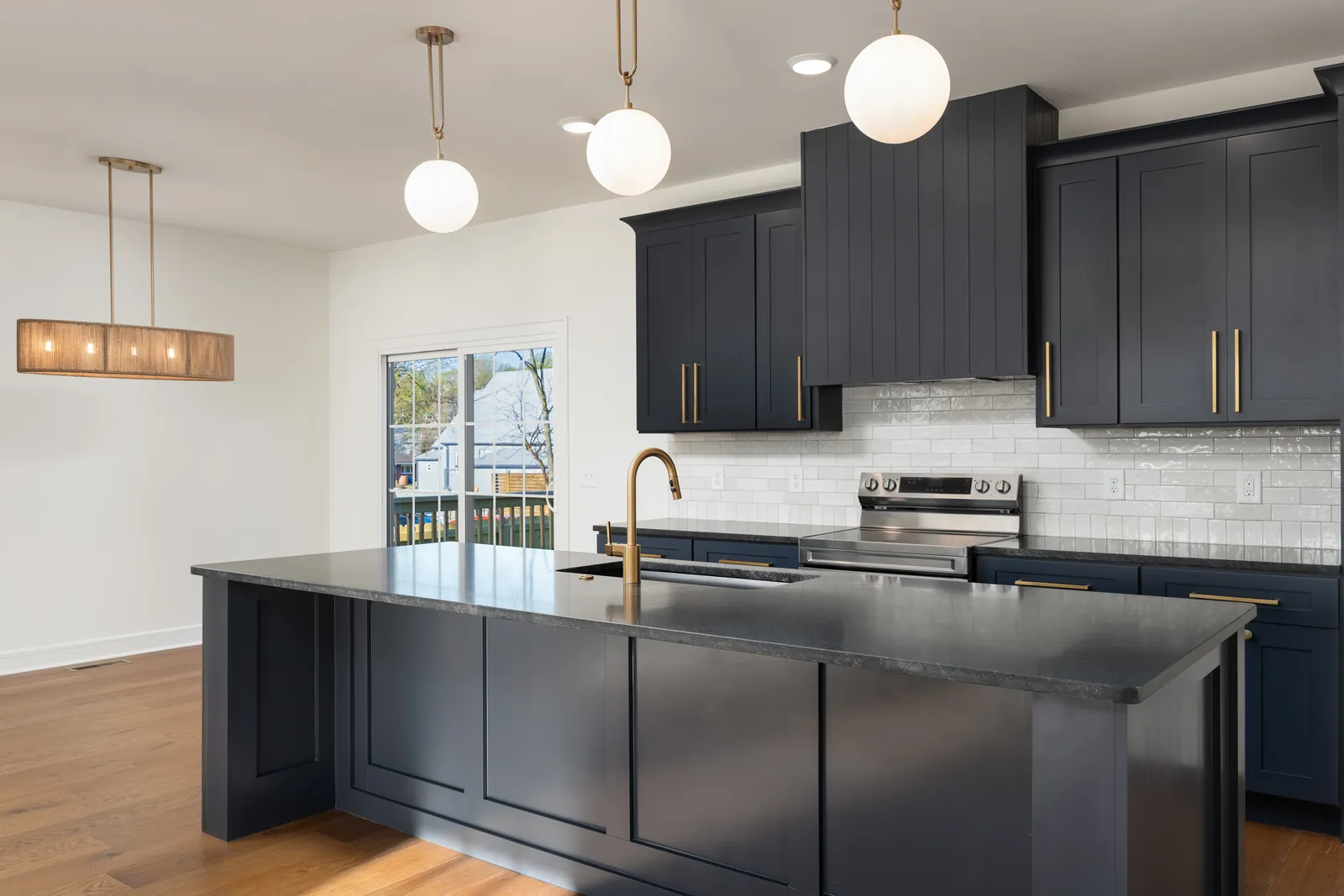
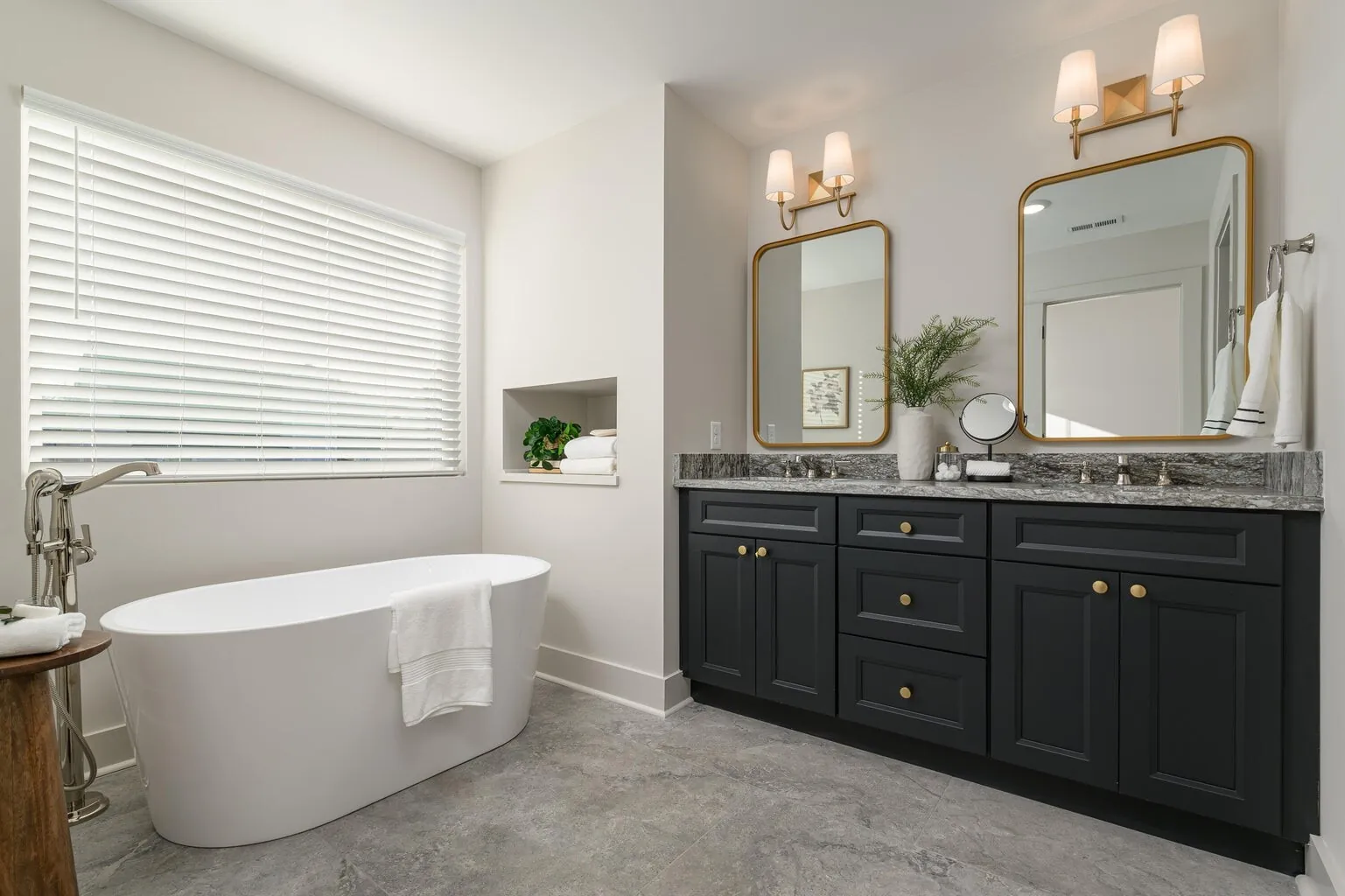
EPG works with its draftsman and engineering team to draw plans in house, so the design is shaped around the lot and the street from the start. Many EPG homes also get a designer’s eye from Evan’s wife Haley, a graduate of the interior design program at the University of Tennessee at Chattanooga. The team is also happy to build from a client’s own architect’s plans.
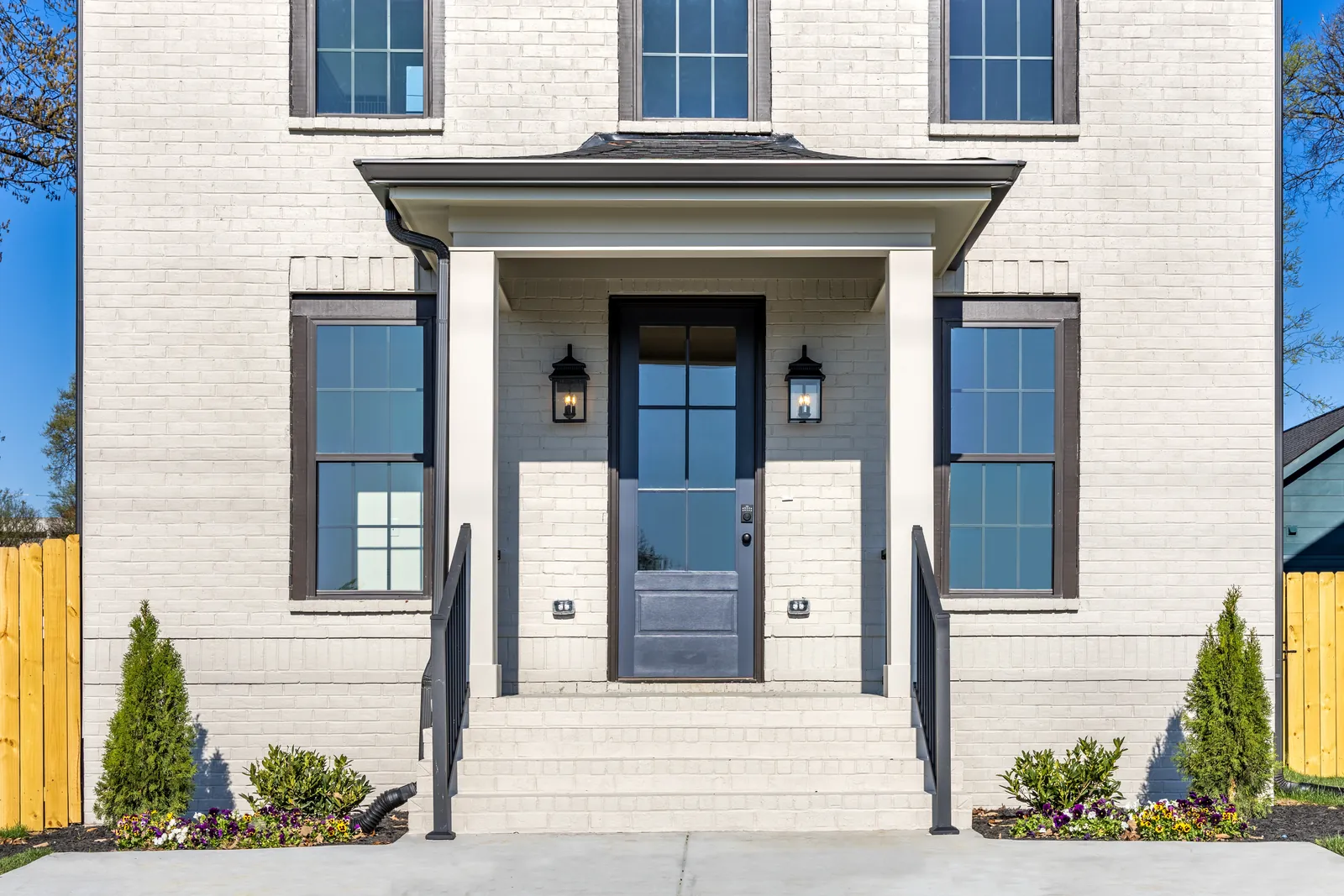
Lincoln Park, Chattanooga
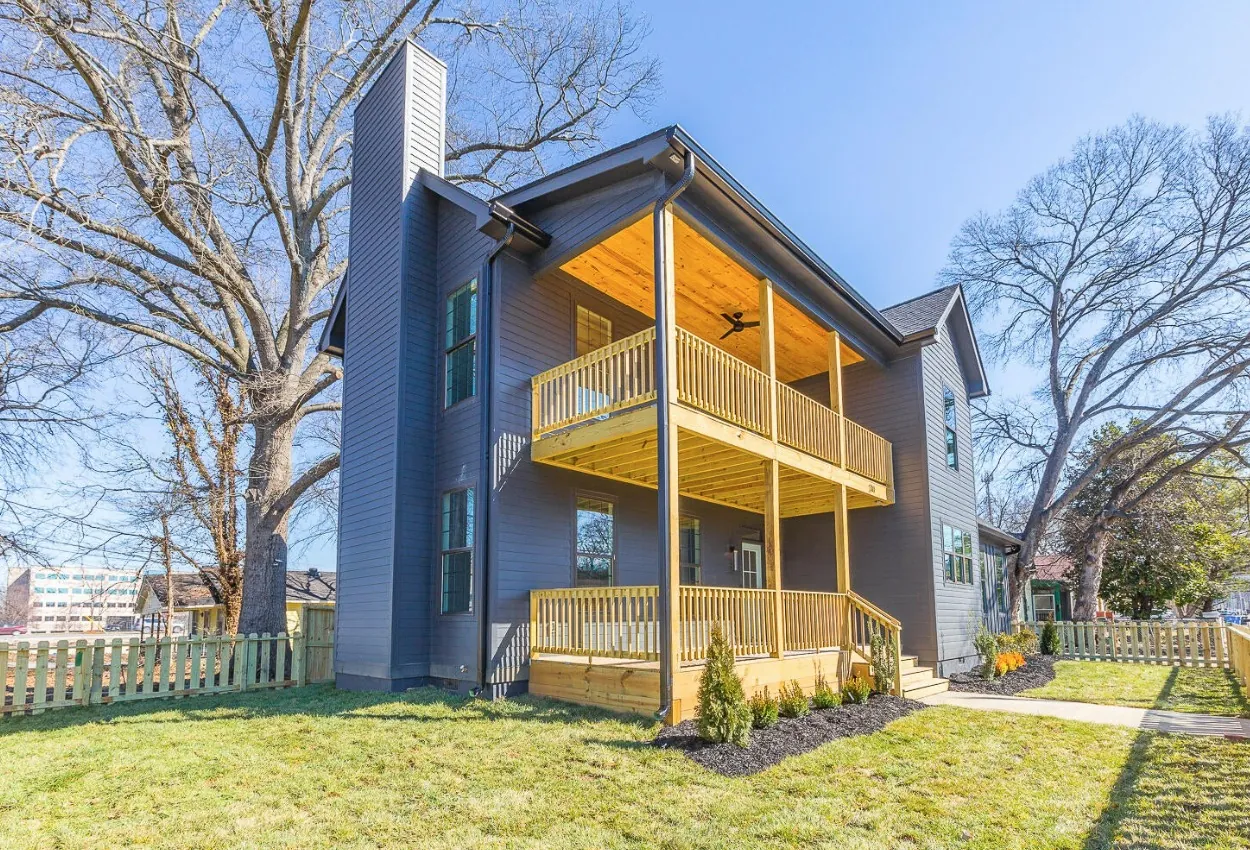
Ridgedale, Chattanooga
Building in Highland Park
Highland Park sits about two miles east of downtown, between downtown and Missionary Ridge. It began as its own small city in 1905 and became part of Chattanooga in 1929, growing into a streetcar suburb of Craftsman bungalows, foursquares and Queen Anne cottages, many with deep front porches. Today the neighborhood has around 1,000 homes, an active neighborhood association and three parks.
Most of those houses were built between 1900 and 1930, so a new home there sits next to neighbors with a lot of history. After Tennessee Temple University closed, some of its land opened up for new homes, and the neighborhood has seen a wave of renovation and new building. Highland Park isn’t one of the city’s local historic districts, but neighbors care about how a new house fits the block. EPG has built new homes in Highland Park and designs with that in mind.
Building in Lincoln Park
Lincoln Park is a small historic community near Erlanger and the UTC campus. It takes its name from the park that opened in 1918 for Chattanooga’s Black residents during segregation, with a WPA pool, an amusement area and a ballfield where Negro League players took the field.
Hospital expansion and urban renewal took much of the surrounding neighborhood, and residents have worked for years to protect what remains. The city has committed to bringing back features of the old park as part of a planned road project nearby, and that work is still under review.
Lincoln Park’s redevelopment means a lot to EPG Homes. EPG built 16 brand new homes there without displacing a single resident, bringing new life to the neighborhood while keeping the people who make it home.
Nearby, across from the UTC soccer complex, EPG built six single family homes on one parcel, one of the first detached horizontal property regime communities in Chattanooga. That setup lets several detached homes share a single lot, each with its own owner.
Other Close In Neighborhoods
EPG also looks at infill lots in other neighborhoods near downtown, like Ridgedale, Glenwood, Martin Luther King, Fort Wood and North Chattanooga. Each one has its own lot sizes, house styles and rules. EPG has built new homes in Glenwood.
For the Southside, see Custom Homes on the Southside. For St. Elmo, see Custom Homes in St. Elmo.
A Fixed Fee on Every Infill Build
Infill lots can bring surprises, so a clear price matters. EPG builds custom homes on a cost plus fixed fee model. The fee is set up front from the plans and scope, and it doesn’t move when finishes are picked.
EPG works on a fixed fee, so an upgrade never raises the builder’s pay.
Clients see every invoice and receipt in EPG’s online client portal as the build goes, and they can follow the schedule and progress photos in Buildertrend.
Backed for 10 Years
Every new EPG home includes a limited 10 year warranty backed by Quality Builders Warranty (QBW).
Frequently Asked Questions
Can a home be built on a narrow infill lot in Chattanooga?
Often, yes. Each zone sets a minimum lot width, setbacks and height, and some older lots are narrower than today’s rules expect. The rules for the specific parcel need to be confirmed before the design is final.
Is Highland Park a historic district?
Highland Park isn’t one of Chattanooga’s four local historic districts, which are St. Elmo, Fort Wood, Battery Place and Ferger Place. New homes in those four go to the Chattanooga Historic Zoning Commission for design review.
Can an infill lot have an ADU?
Often. Chattanooga allows one ADU with a single family home in most residential zones, up to 800 square feet. EPG checks what the lot allows before design starts.
What if there’s an old house on the lot?
Demolition comes first, with its own permit. The plan for utilities and for protecting the neighbors’ property gets worked out before work starts.
Who draws the plans for an infill home?
EPG works with its draftsman and engineering team to draw plans in house, and the team is also happy to build from a client’s own architect’s plans.
Does an upgrade raise EPG’s fee?
No. EPG works on a fixed fee, so an upgrade never raises the builder’s pay.
How does someone get started on an infill home?
Gather what’s known about the lot, any plans and the main goals, then call or text Evan’s team at 423-646-7540.
Start an Infill Home
Have a lot close to downtown, or looking for one? Call or text Evan’s team at 423-646-7540.